
About the ShipmentInput Atlas Project
A specialized technical knowledge platform dedicated to breaking down field mappings, transfer stages, and data handoff integrity between order systems and shipping software.
Demystifying the Flow of Shipping Data Across Systems
ShipmentInput Atlas was founded to provide transparent, reference-grade educational models showing how e-commerce orders, enterprise ERPs, and warehouse records transform into carrier-compliant dispatch manifests.
In modern fulfillment operations, data disconnects between order management platforms, middle-mile connectors, and carrier workstation software create costly exceptions. This atlas maps field-level origins, schema translations, and system ownership boundaries so operators and system engineers can diagnose bottlenecks before labels are generated.
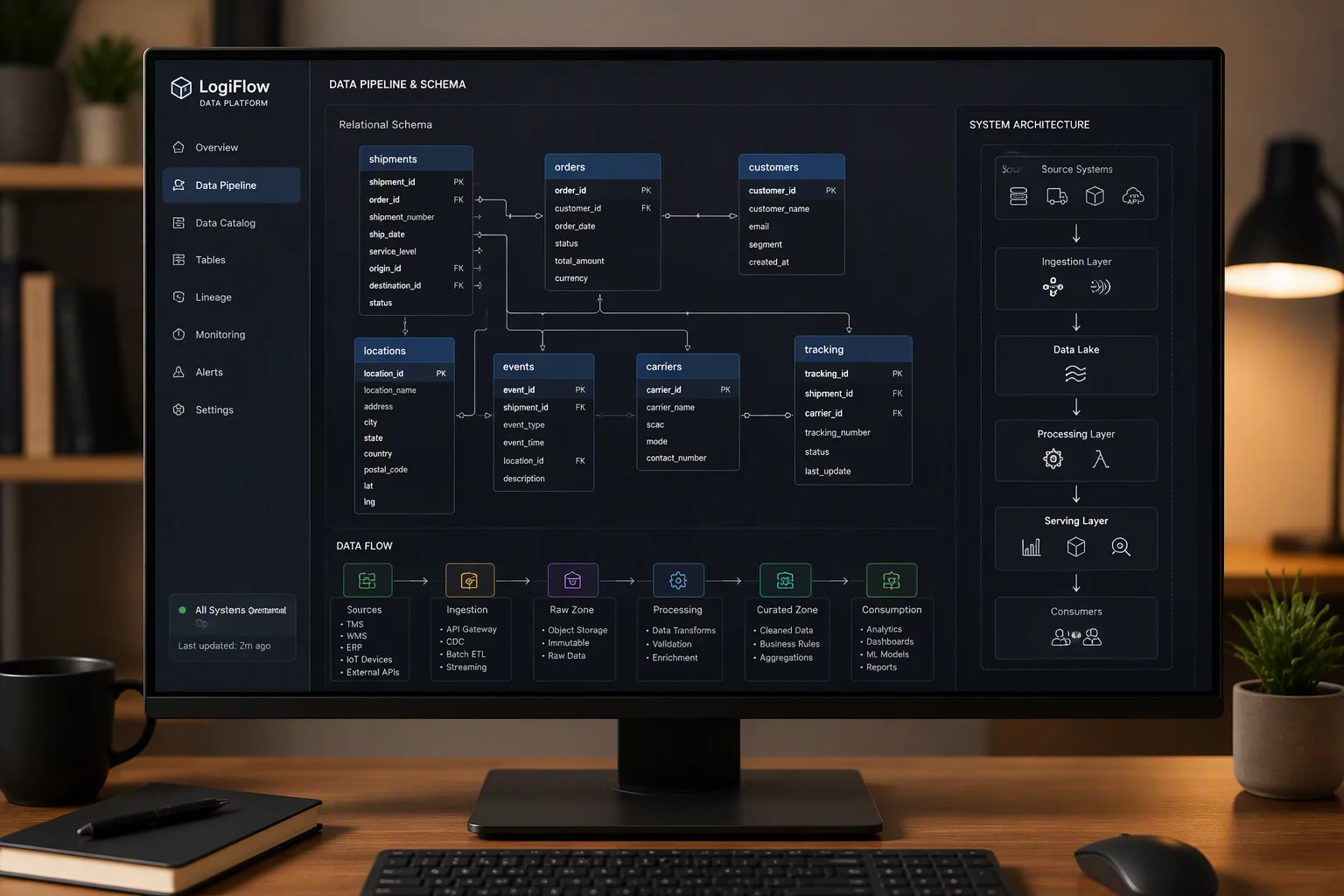
Structural Clarity
Detailed breakdowns of address cleansing layers, package measurement formats, and accessorial charge payloads before final transmission.
Interoperability Specs
Comparative analyses of flat-file CSV schemas, XML exchange protocols, ODBC integrations, and REST payload conversions across platforms.
Exception Governance
Systematic categorization of data handoff mismatches, customs documentation deficits, and return loop synchronization patterns.
How We Map the Shipping Lifecycle
Every article and blueprint in ShipmentInput Atlas is structured around five chronological phases of data transfer:
- 01Order Ingestion & Customer ValidationCapturing recipient names, telephone formatting, and residential vs commercial flags at checkout.
- 02Fulfillment & Packaging AllocationMapping SKU dimensions, volumetric tare weights, and multi-piece consignment grouping.
- 03Carrier Protocol TransformationTranslating internal order IDs into carrier service codes, billing terms, and reference field formats.
- 04Dispatched Label & Manifest GenerationCreating 2D symbology, international EDI commercial invoices, and end-of-day control logs.
- 05Status Feedback & Reverse Data SynchronizationWriting back tracking numbers, dimensional freight adjustments, and delivery event telemetry.
Frequently Explored Concepts
Ask About This Data Map
Share a question about field ownership, record quality, or a system handoff. Please use examples without customer data.